
In high school, I received two impactful awards that would lay out my career goals. The first was a financial award from Global Glimpse to participate in their international travel leadership program. In Nicaragua, I learned about climate change and racial injustice which ultimately steered my career path towards environmental engineering. The mentorship and guidance I acquired from the 10,000 Degrees Marin Scholarship were key components to my success in higher education. I intend to give back the same support by providing academic resources and organizing outreach programs.
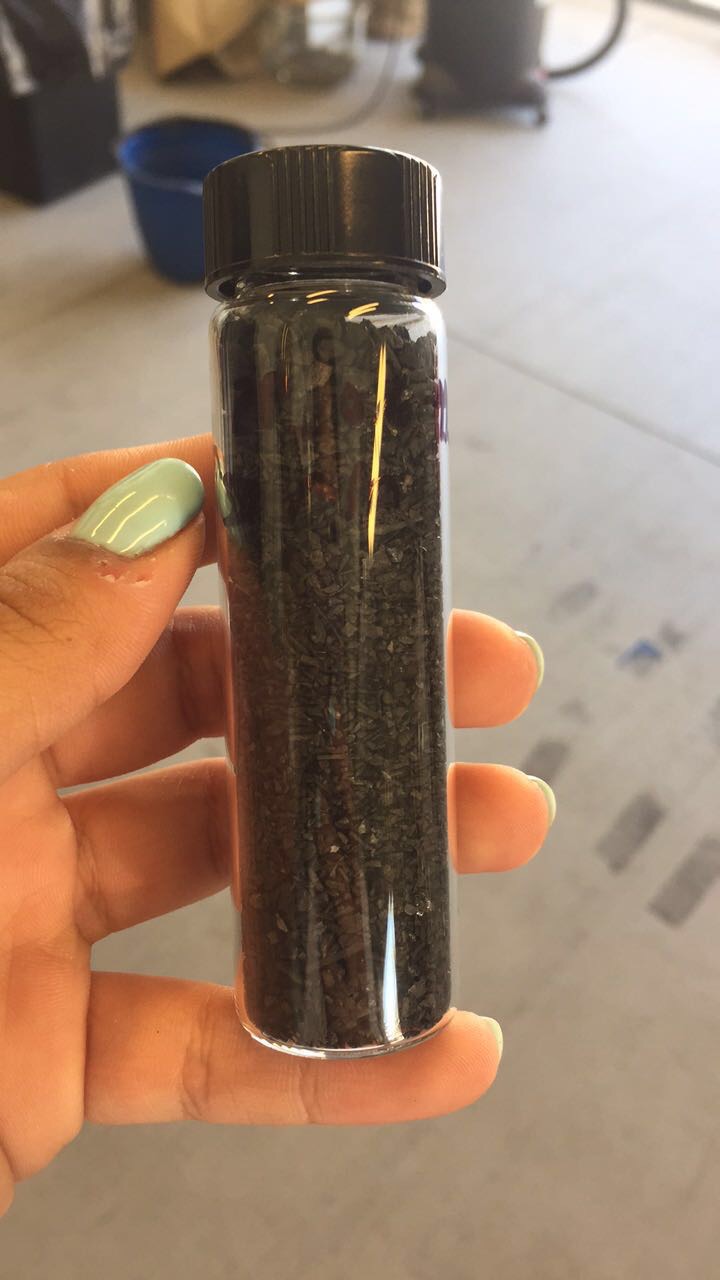
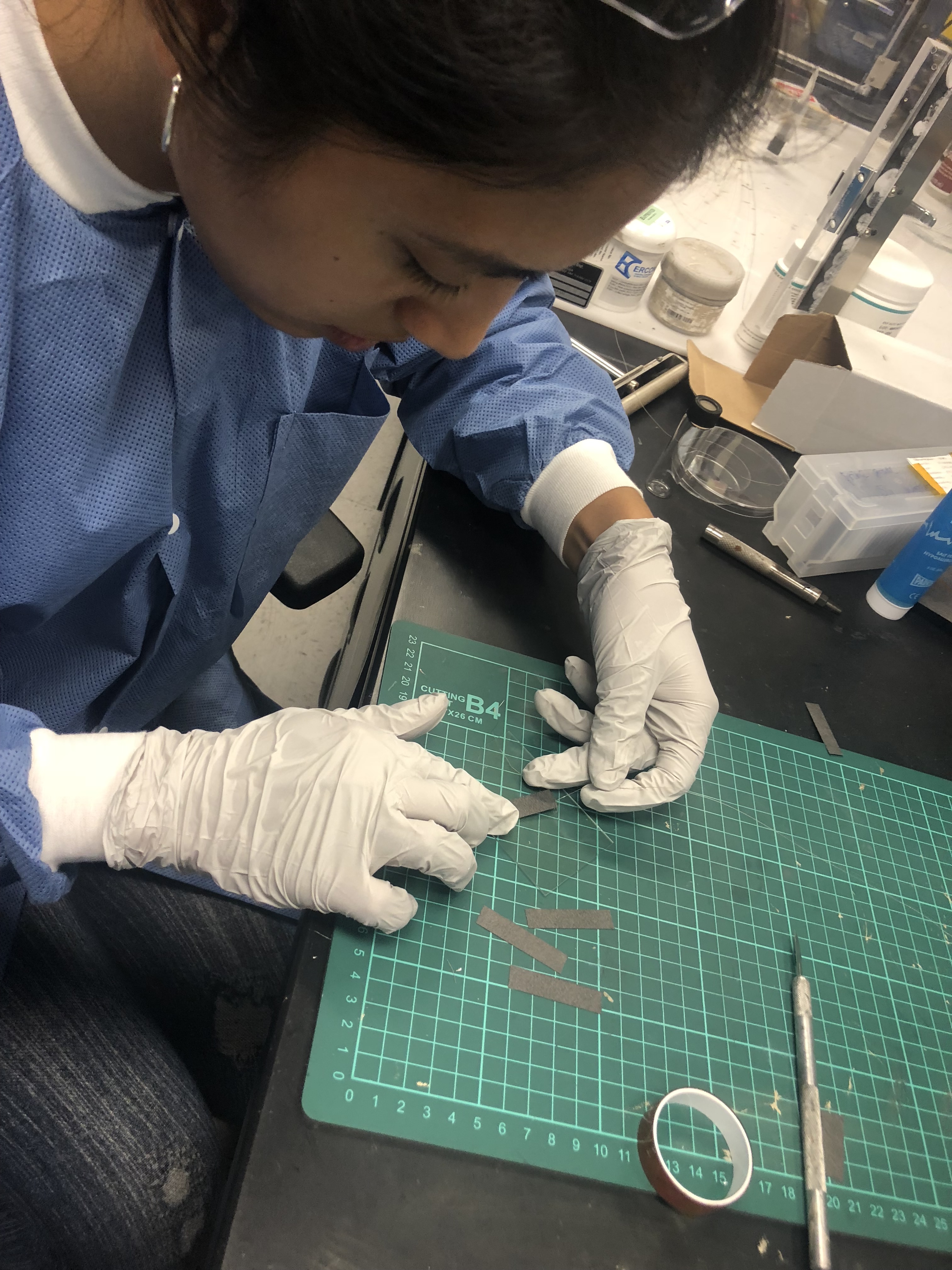
As an undergraduate student at UC Merced, I studied solar energy technology and researched biochar gasification. I began my research career in Merced by investigating the effects of gasification on peach pits. I honed my investigation tactics and public speaking skills while understanding the routines of a research lab. However, it was not until I joined UC San Diego that I realized my passion for research. After receiving a research fellowship, I spent a summer in a flexible electronics lab fabricating and characterizing supercapacitors. By the end of the summer, I found myself aiming for a career in academia. I applied to graduate schools and attended extra courses to further my career goals. For instance, I registered for a circuitry course and a graduate-level class in electrochemistry, which became fundamental knowledge for the work I do today.
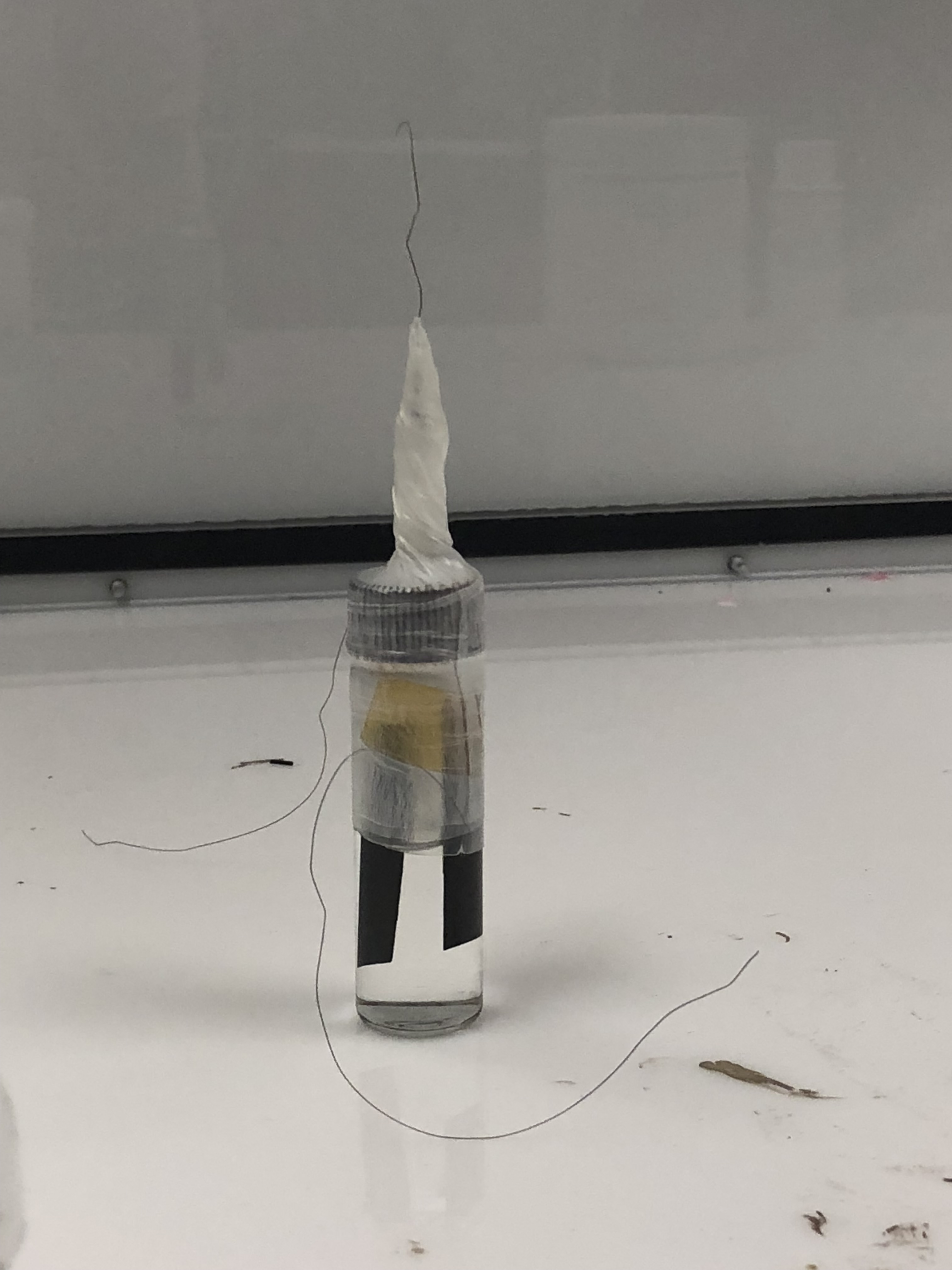
In graduate school, I continued my studies in flexible electronics and energy storage. At Duke University, I focused on battery coin cell manufacturing and thermoregulatory wearables. In my first project, I designed a nanofabrication procedure for sacrificial templates. The structures allowed for dual porosity in battery electrodes, which provided faster charging times and higher energy densities. Additionally, I lead two projects on transparent radiative shields. The first involved a solution-processing method designed for highly reflective and invisible radiative textiles. The second project expanded the fabrication process to produce regularly patterned and single-layer metal nanowire networks. Both projects utilized a theory-guided approach. Furthermore, I wrote a perspective on the next ten years of passive radiative thermoregulating textiles. The perspective explains the necessary tools and ideals required to design the next generation of radiative wearables. The mentioned works have been published in scientific journals including Advanced Energy Materials, ACS Nano, and ACS Materials Letters.
In the future, I will leverage my skills in nanofabrication to further advance energy storage devices and flexible electronics. I will also focus on projects based on sustainability and clean energy. Lastly, I hope to be a role model for future generations and foster mentorship for the next generation of diverse leaders.
 Genesis M. Higueros